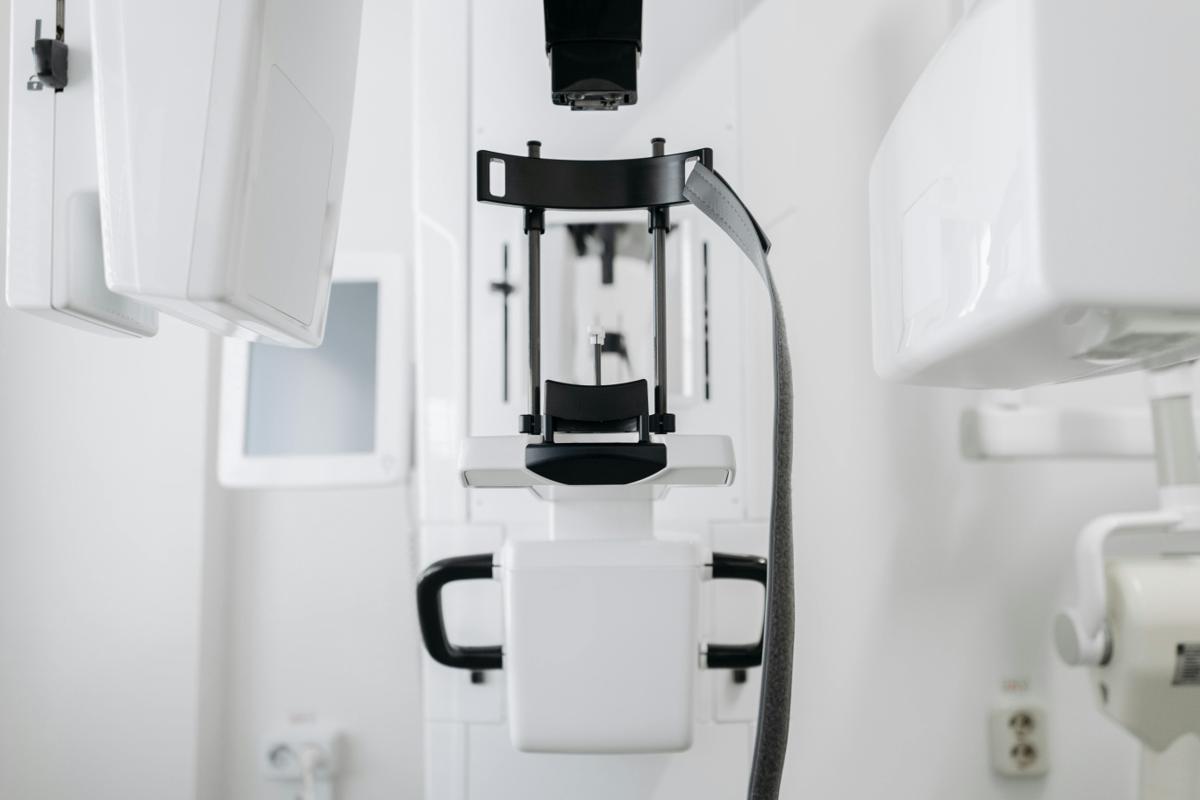
Diagnostics

Diagnostics – see more, treat better

At Prodental, we use the latest diagnostic technologies to ensure precise diagnosis and effective treatment for our patients. With advanced equipment, we can detect pathological changes in tooth tissues at an early stage and recommend the right solutions.

Scope of diagnostics at Prodental
Preventive examinations assessing the condition of teeth, gums, and oral mucosa

Preventive examinations assessing the condition of teeth, gums, and oral mucosa

Panoramic X-rays

Panoramic X-rays

Cone beam computed tomography (CBCT)

Cone beam computed tomography (CBCT)

Cephalometric X-ray

Cephalometric X-ray

Endodontic diagnostics using a microscope

Endodontic diagnostics using a microscope

Early caries detection with the DIAGNOcam device
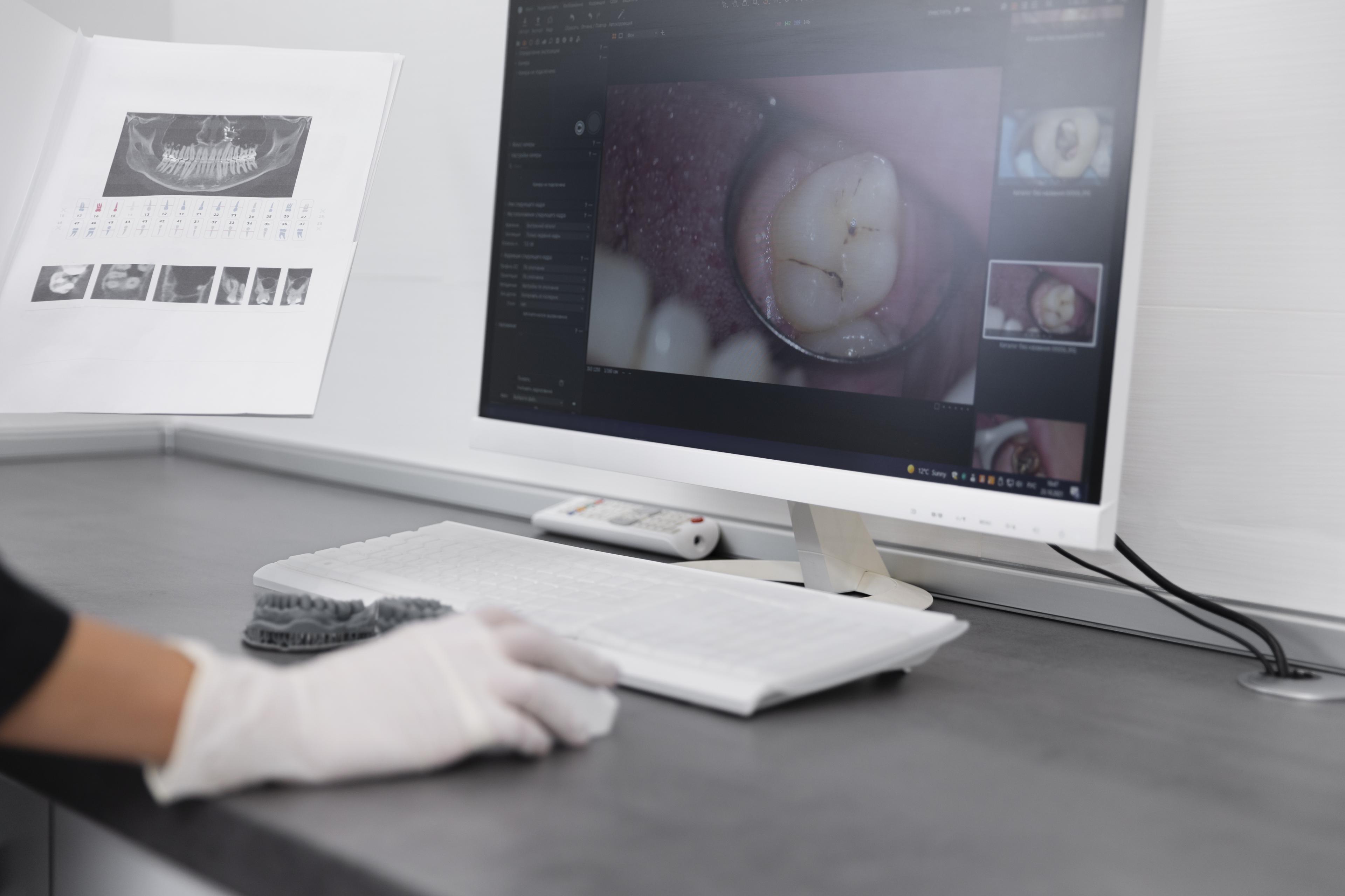
Early caries detection with the DIAGNOcam device

DIAGNOcam

DIAGNOcam

Innovative caries detection with DIAGNOcam is based on a diagnostic camera that uses laser light instead of X-ray radiation, making it completely safe for pregnant women and children. Healthy tissues transmit light, while carious lesions and enamel cracks appear as dark spots. The device allows the detection of caries in hard-to-reach areas such as interproximal and occlusal surfaces, as well as the diagnosis of secondary caries.
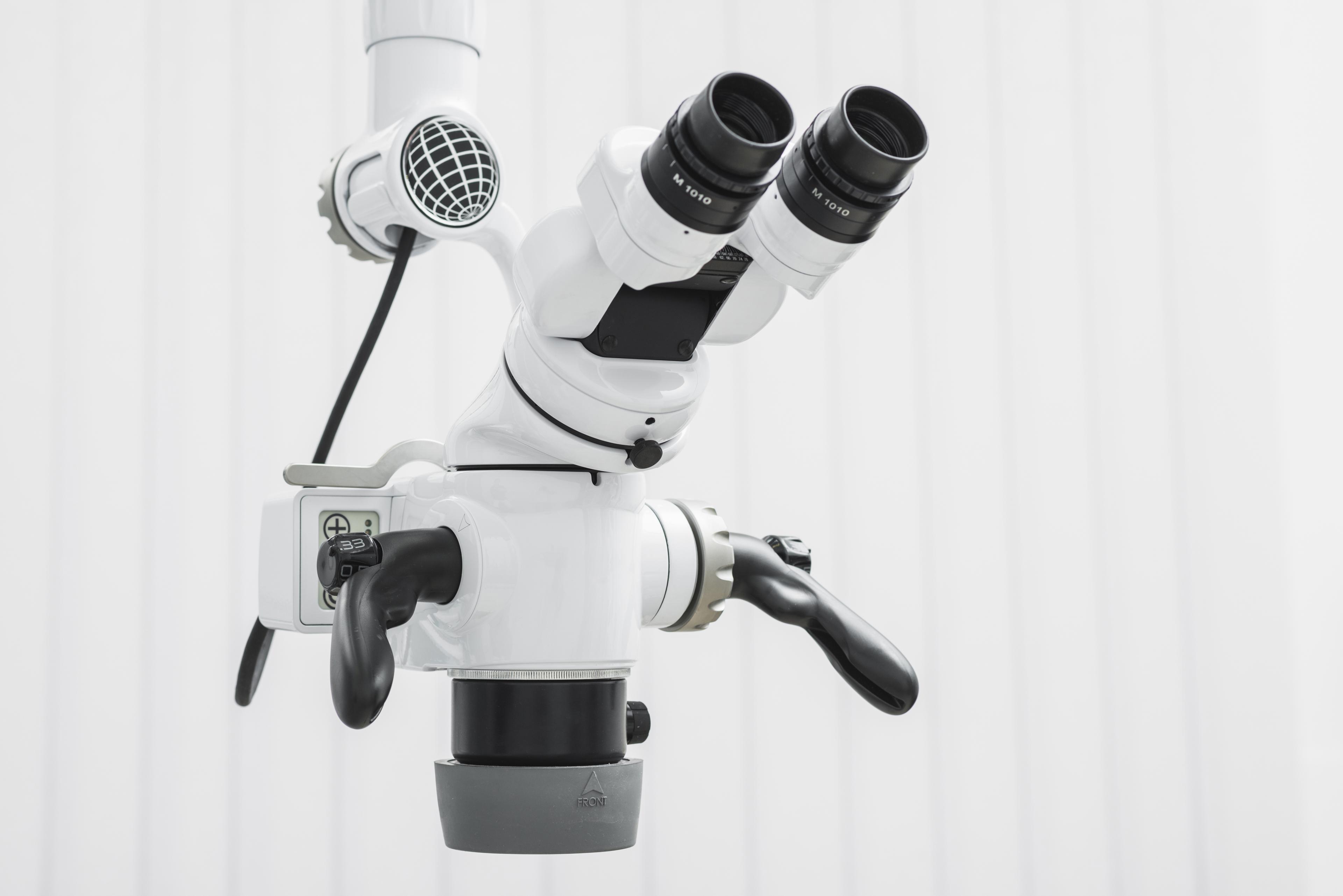
ZEISS OPMI PICO microscope

ZEISS OPMI PICO microscope

In endodontic (root canal) diagnostics and treatment, we use the ZEISS OPMI PICO microscope, one of the best dental microscopes. This advanced device provides:

  • exceptional precision in locating and preparing root canals

  • comfort for the dentist, thanks to its ergonomic design that allows procedures to be performed in a convenient position

  • high treatment effectiveness due to excellent visibility of even the smallest details

Early detection of dental problems makes it possible to start treatment quickly, increasing the chances of preserving healthy teeth and gums.

Trust us – we use innovative technologies to ensure your comfort, safety, and effective treatment.

Frequently Asked Questions

Yes – diagnostics is a key first step in the dental treatment process. It allows the dentist to thoroughly assess the condition of the teeth, gums, bone, and surrounding tissues, as well as detect possible hidden issues (e.g., interproximal caries, periapical lesions, or malocclusions).

Thanks to precise diagnostics, it is possible to:

  • plan treatment individually and safely

  • avoid unexpected complications during procedures

  • select the appropriate therapy method – from prevention to root canal treatment or implantology

No – dental diagnostics is completely painless and non-invasive.

Most examinations, such as an oral check-up, X-rays, or intraoral scanning, do not cause any discomfort. Even more advanced procedures, like CBCT scans, only require briefly positioning the head and remaining still for several seconds.

For the patient, this is usually a quick, calm, and comfortable part of the visit – yet a very important one, as it helps detect problems that are not visible to the naked eye.

Yes – dental X-rays are safe and performed using very low doses of radiation. Modern digital equipment used in clinics emits several times less radiation than traditional machines, and the examination itself takes only a few seconds.

Additionally:

  • patients are provided with a protective lead apron that shields the body from radiation

  • the doses used in dental diagnostics are many times lower than in other fields of medicine (e.g., full-body CT scans)

  • X-rays are performed only when medically justified and necessary for an accurate diagnosis

X-ray examinations are also safe for children – of course, when carried out with the appropriate safety precautions.

  • Take care of oral hygiene – brush your teeth before the appointment to help the dentist accurately assess the condition of your mouth.

  • Gather medical documentation – if you have recent X-rays, CT scans, or information about past treatments (e.g., root canal therapy, surgeries), bring them with you.

  • Write down symptoms and questions – if you experience pain, sensitivity, discomfort while chewing, or other issues, note them so nothing is overlooked during your visit.

  • Prepare a list of medications – if you take regular medications or have chronic conditions (e.g., diabetes, hypertension), inform your dentist.

  • Report pregnancy – women who are pregnant should let the dentist know, as this may affect the scope of examinations (e.g., X-rays).

Yes – you can, and it is recommended to bring X-rays taken at another clinic.

Previously performed examinations help the dentist assess the condition of your teeth more quickly and plan treatment. It is important that the images are:

  • up-to-date (usually no older than 6–12 months)

  • clear and of good quality

  • provided in electronic form (e.g., on a USB drive, CD, or by email) or as a printout

In some cases, however, the dentist may request new images if:

  • the quality of the submitted images is insufficient

  • more detailed diagnostics are required (e.g., CBCT scan)

  • changes have occurred in the oral cavity since the previous examination

Bringing your existing documentation can shorten the diagnostic process and reduce the need for additional imaging.

Registration

Not sure which treatment is right for you?