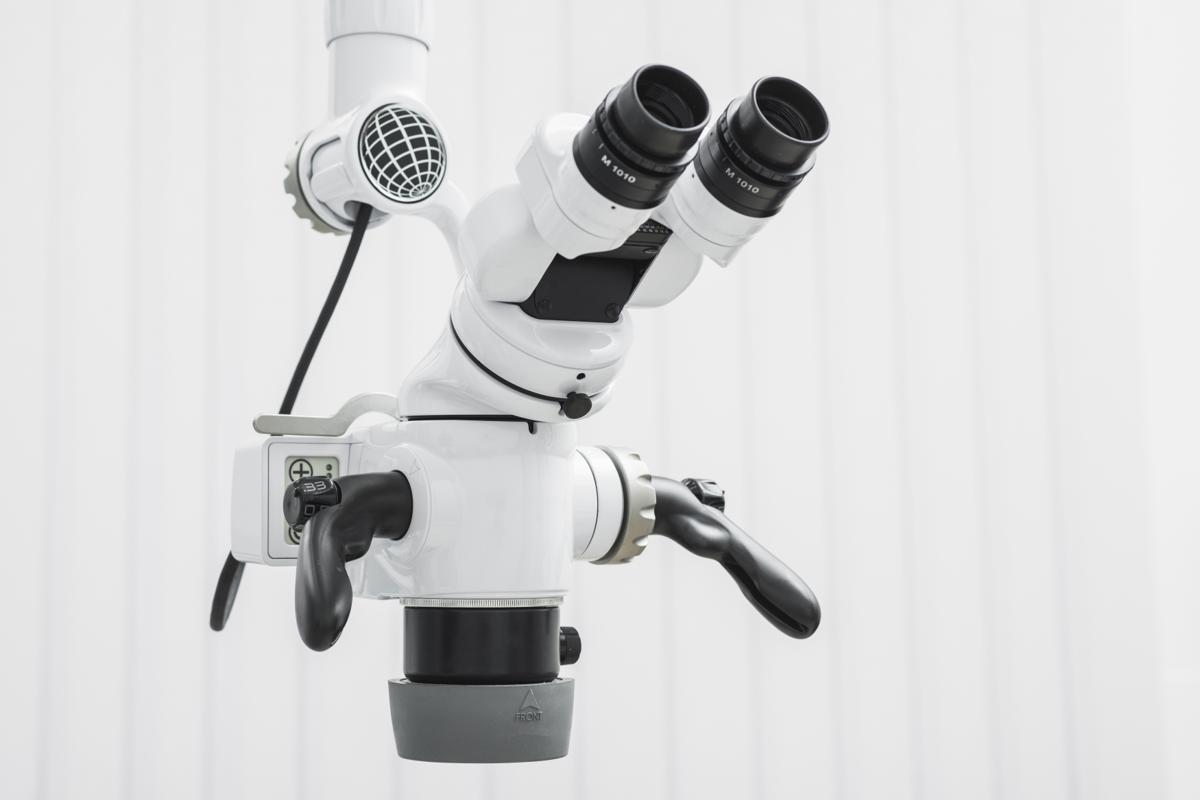
Microscope-assisted endodontics

Endodontics – a second life for your tooth

Endodontics is a branch of conservative dentistry that focuses on diagnosing and treating diseases of the dental pulp and periapical tissues. The primary method of treatment in this field is root canal therapy. Our goal is to save teeth from the need for extraction.
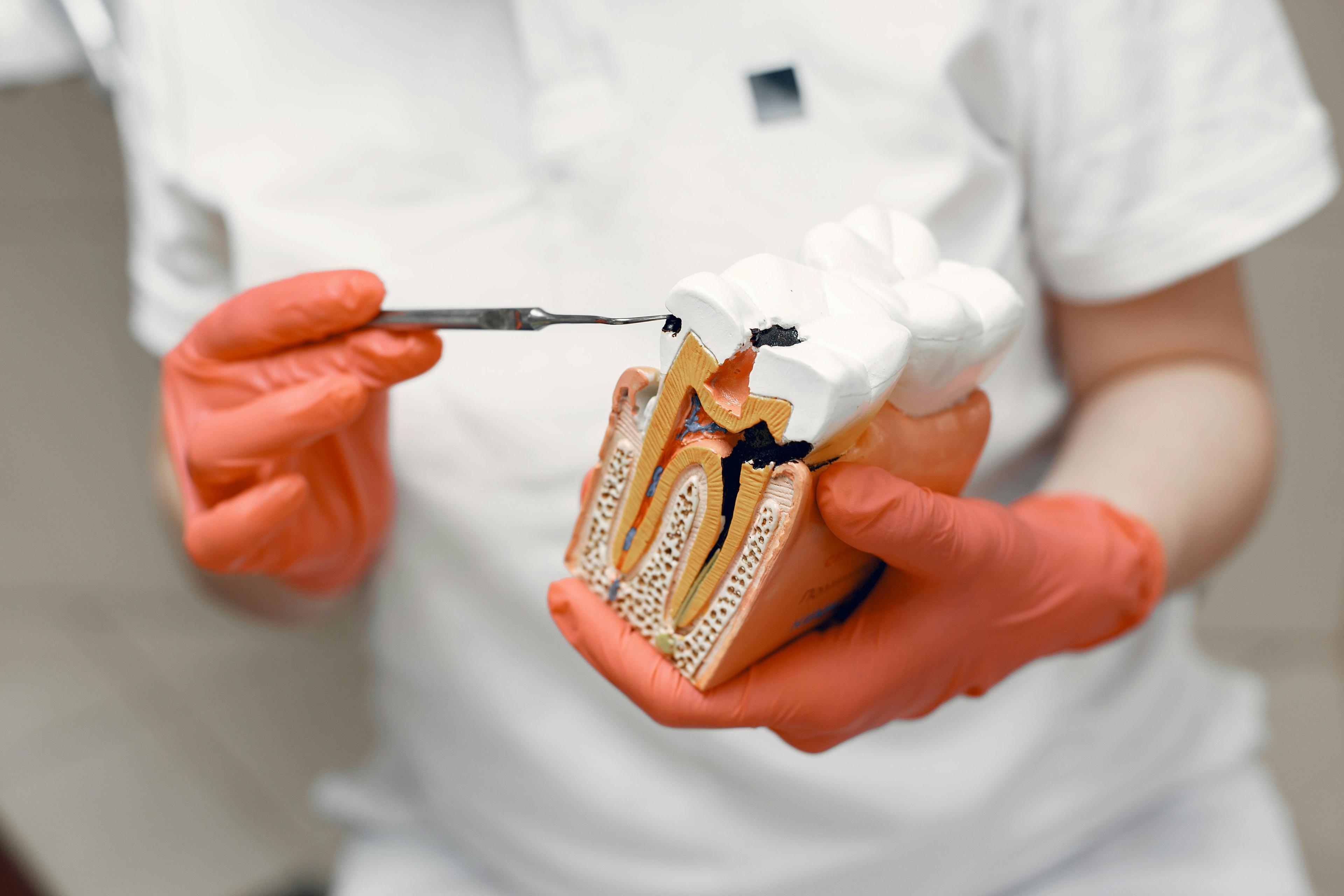
Image section background

Thanks to modern advanced technology, specialized knowledge, and experience

Our dentists take on even the most complex cases, such as:

Removal of broken instruments

Removal of broken instruments

Reopening of obliterated canals

Reopening of obliterated canals

Preparation of curved canals

Preparation of curved canals

Sealing of perforations and locating additional canals

Sealing of perforations and locating additional canals

Removal of post-and-core restorations

Removal of post-and-core restorations

Precision, modern technologies, and experience that will ensure you a healthy smile for years to come.

Frequently Asked Questions

Most often when inflammation or necrosis of the dental pulp has occurred – as a result of deep caries, trauma, leaky fillings, or complications from previous treatment.

The microscope provides multiple magnification of the treatment area, allowing the dentist to clearly see the structure of the canals and detect additional canals, microcracks, or broken instruments.

The procedure is performed under local anesthesia, so it is painless. The microscope additionally shortens the treatment time and reduces the risk of complications.

In most cases, root canal treatment under a microscope can be completed in a single visit, although in more complex cases 2–3 appointments may be required.

Yes. Microscope-assisted reendo, or repeat root canal treatment, makes it possible to save a tooth that was not properly treated the first time.

Severe toothache, sensitivity to heat or cold, gum swelling, tooth discoloration, pain when biting, or the presence of an abscess – these are the most common signs.

Yes – after properly performed root canal treatment and appropriate restoration (e.g., with a filling or crown), the tooth can continue to serve its function.

Registration

Not sure which treatment is right for you?