Orthodontics

Orthodontics – a smile that inspires

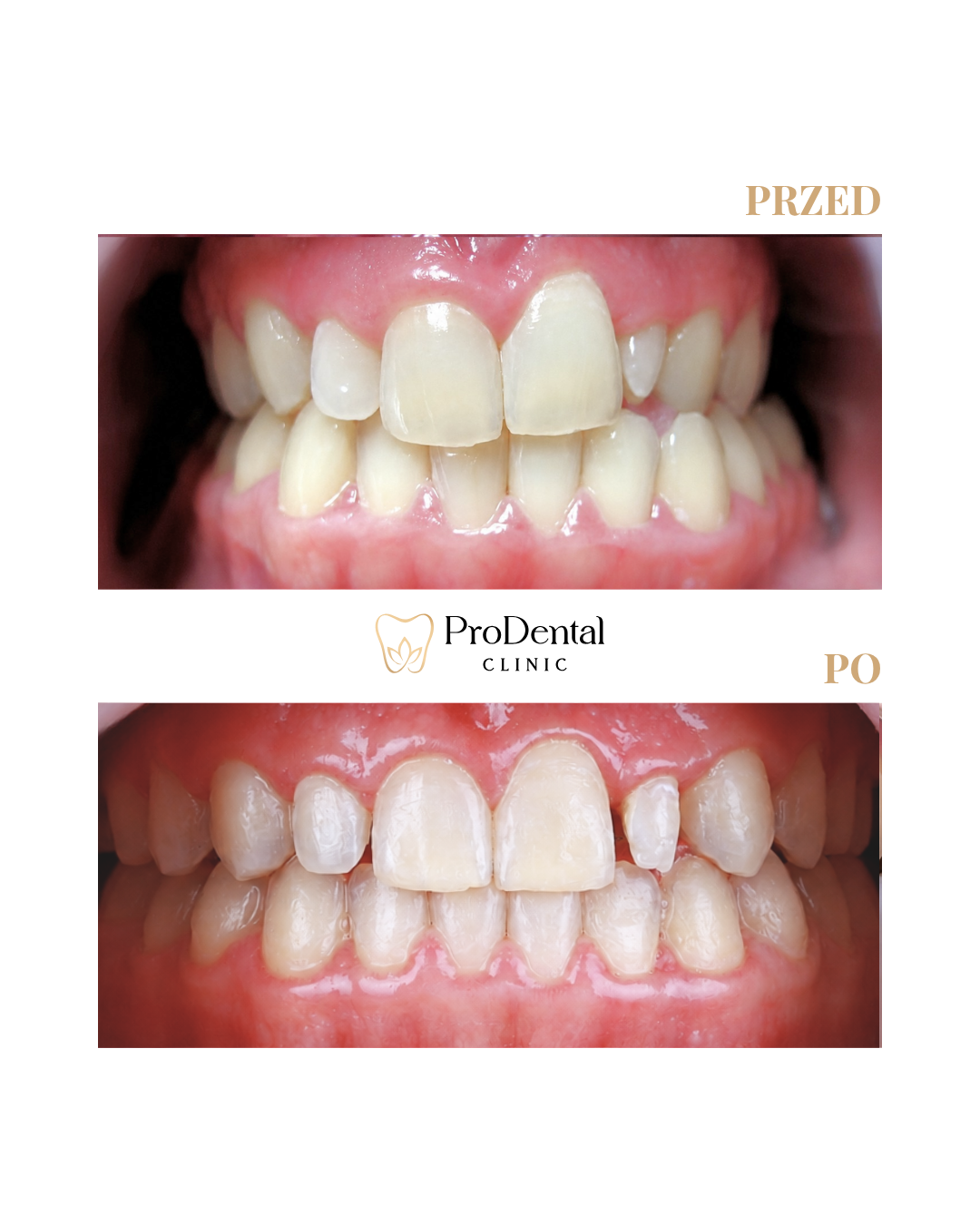
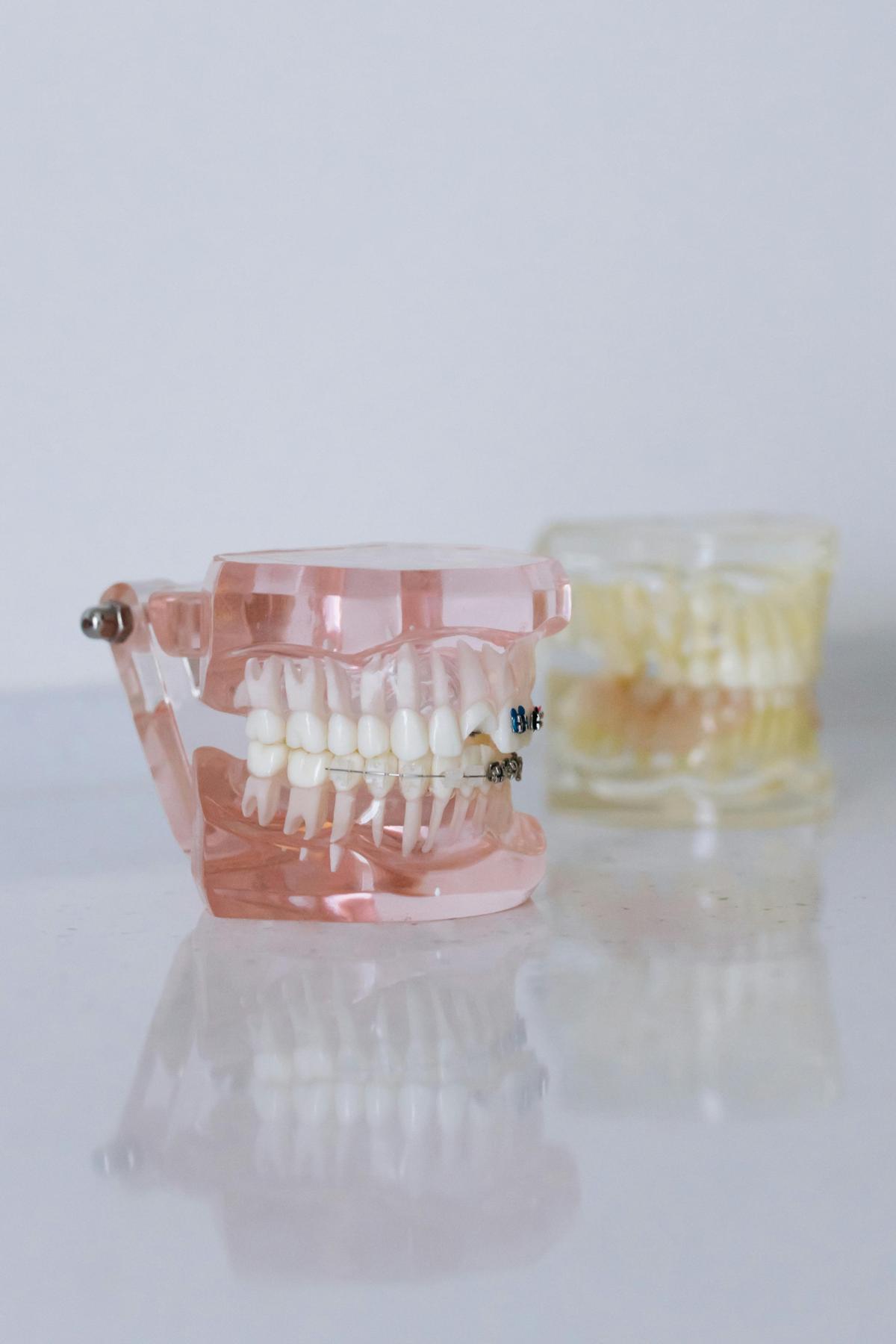
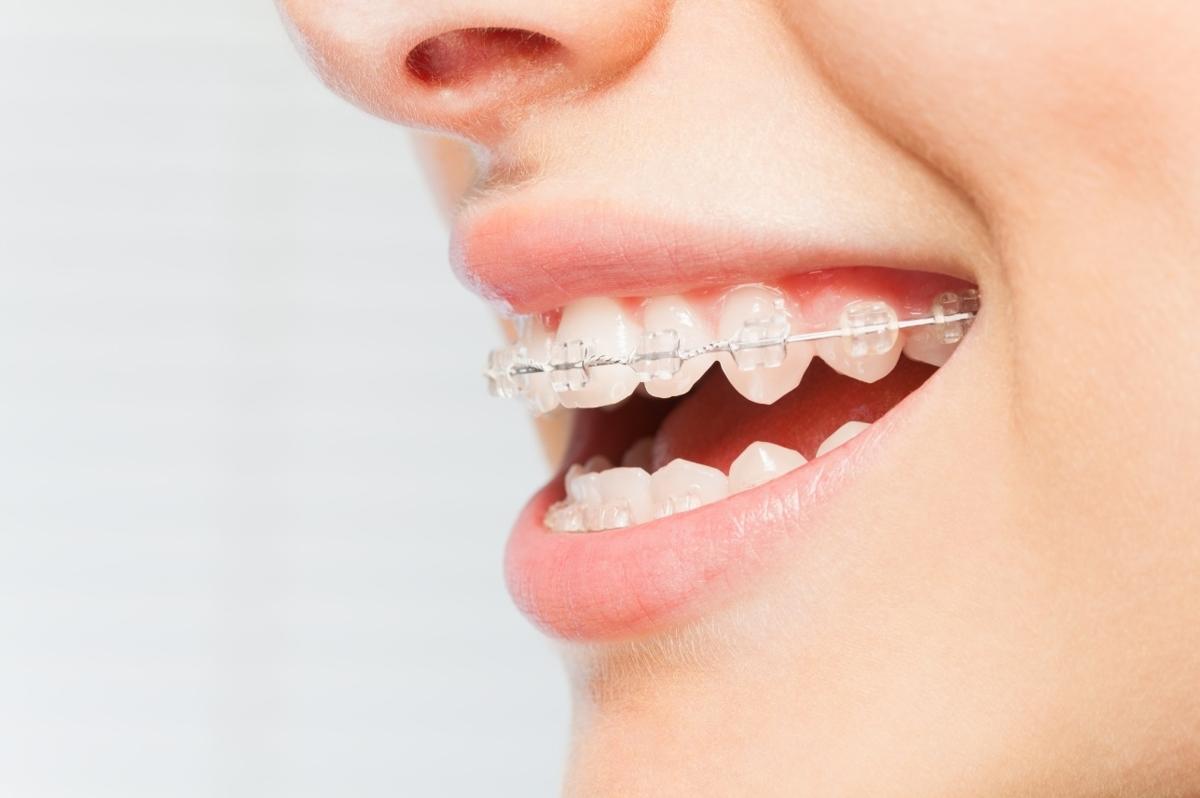
Orthodontics is a branch of dentistry focused on diagnosing, preventing, and treating malocclusions, maxillofacial abnormalities, and dental irregularities. A proper bite affects not only the aesthetics of the smile but also chewing function, speech, and overall oral health.
Section image

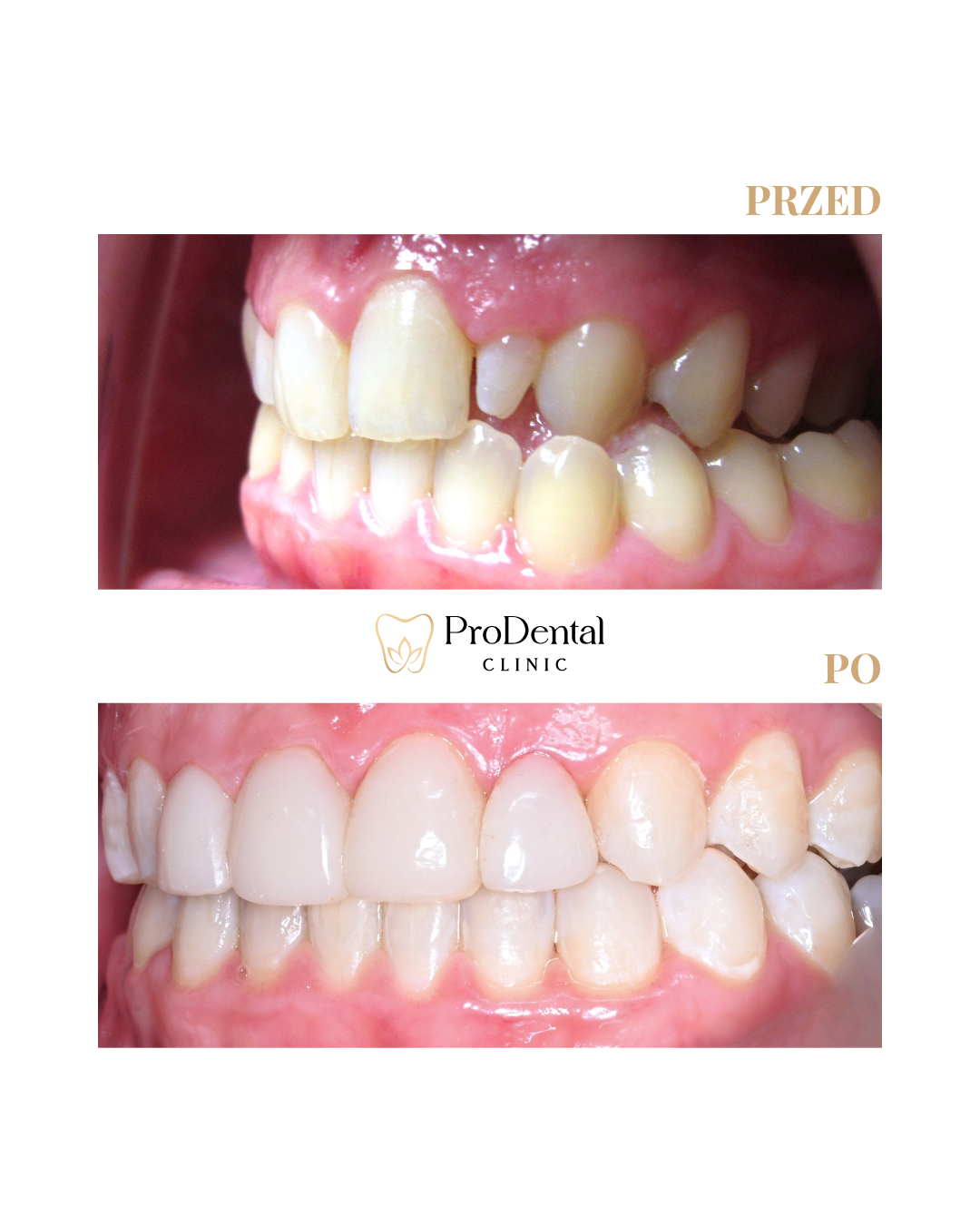
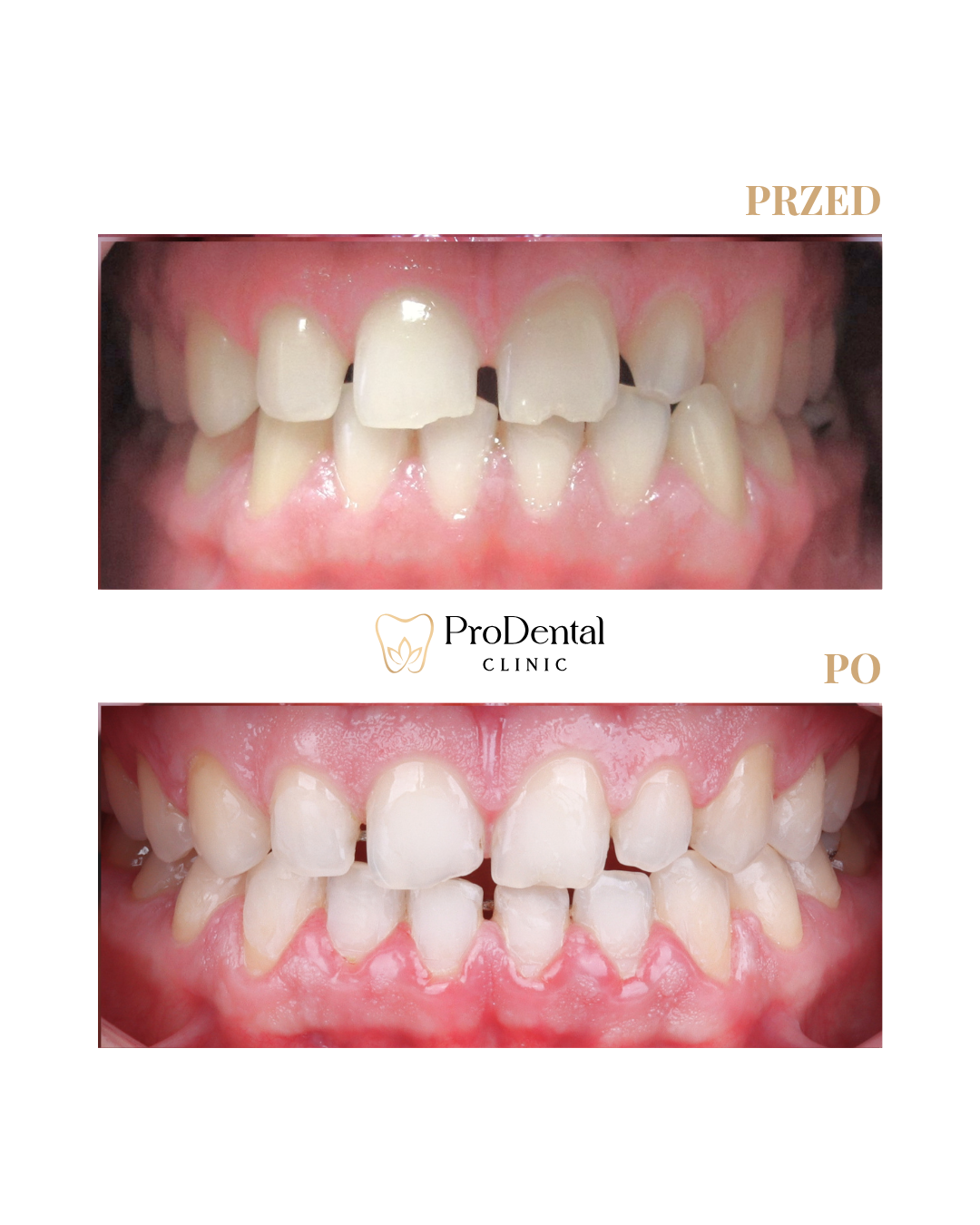
In our clinic, thanks to specialized diagnostics and the use of the most modern correction methods, we are able to provide a better quality of life for children, adolescents, and adults alike.

Our offer includes:
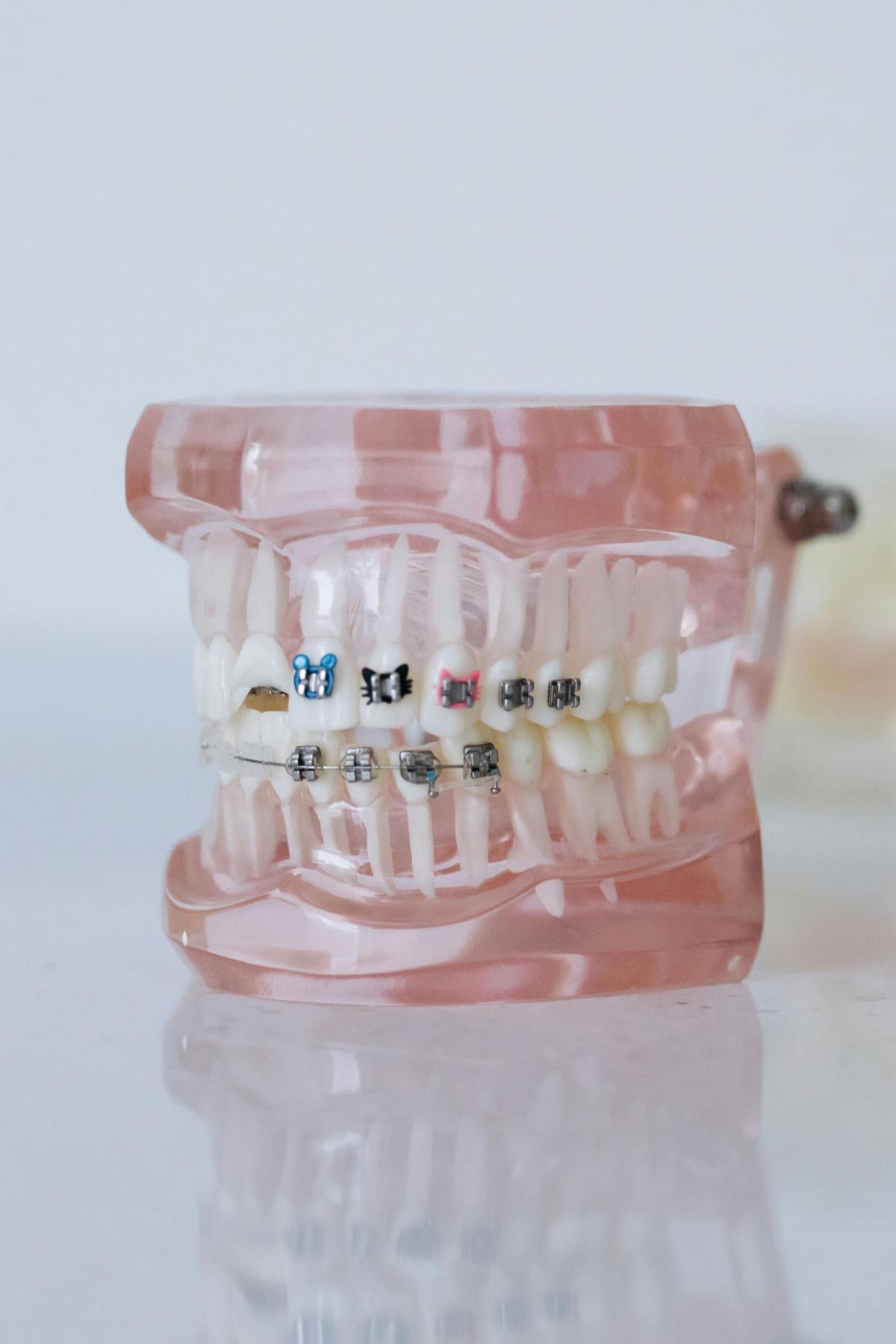
Fixed braces

Want to know more?

Call us!

Frequently Asked Questions

The first orthodontic consultation for a child should take place around the age of 7, when the first permanent teeth appear. However, orthodontic treatment can be started at any age, including adulthood.

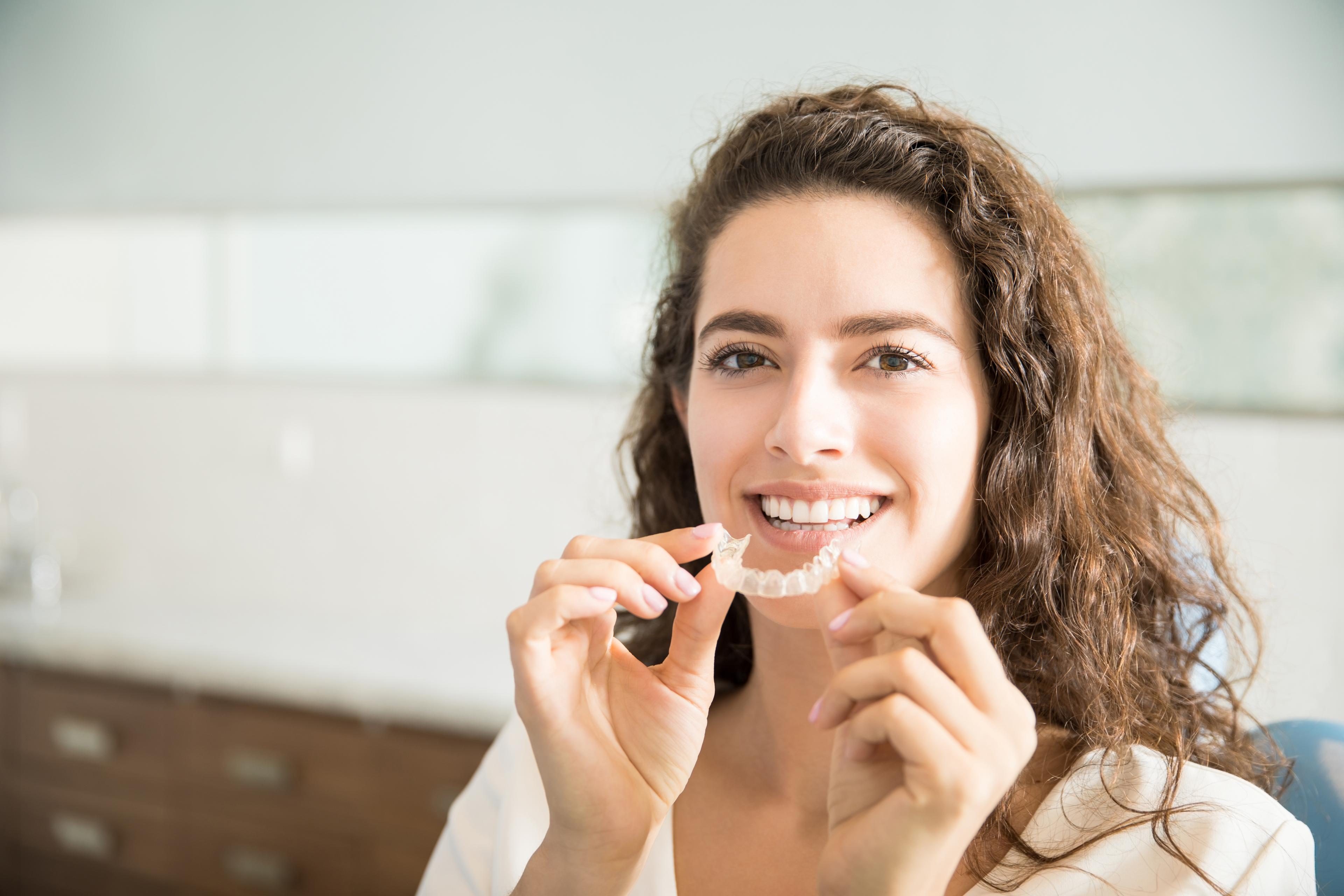
Yes – adult orthodontics is very popular today. Modern methods (e.g., aesthetic braces, Invisalign aligners) allow effective and discreet treatment of malocclusions in adults as well.

  • fixed metal braces – traditional and very effective

  • aesthetic braces (ceramic or sapphire) – less visible

  • self-ligating braces – more comfortable and faster treatment

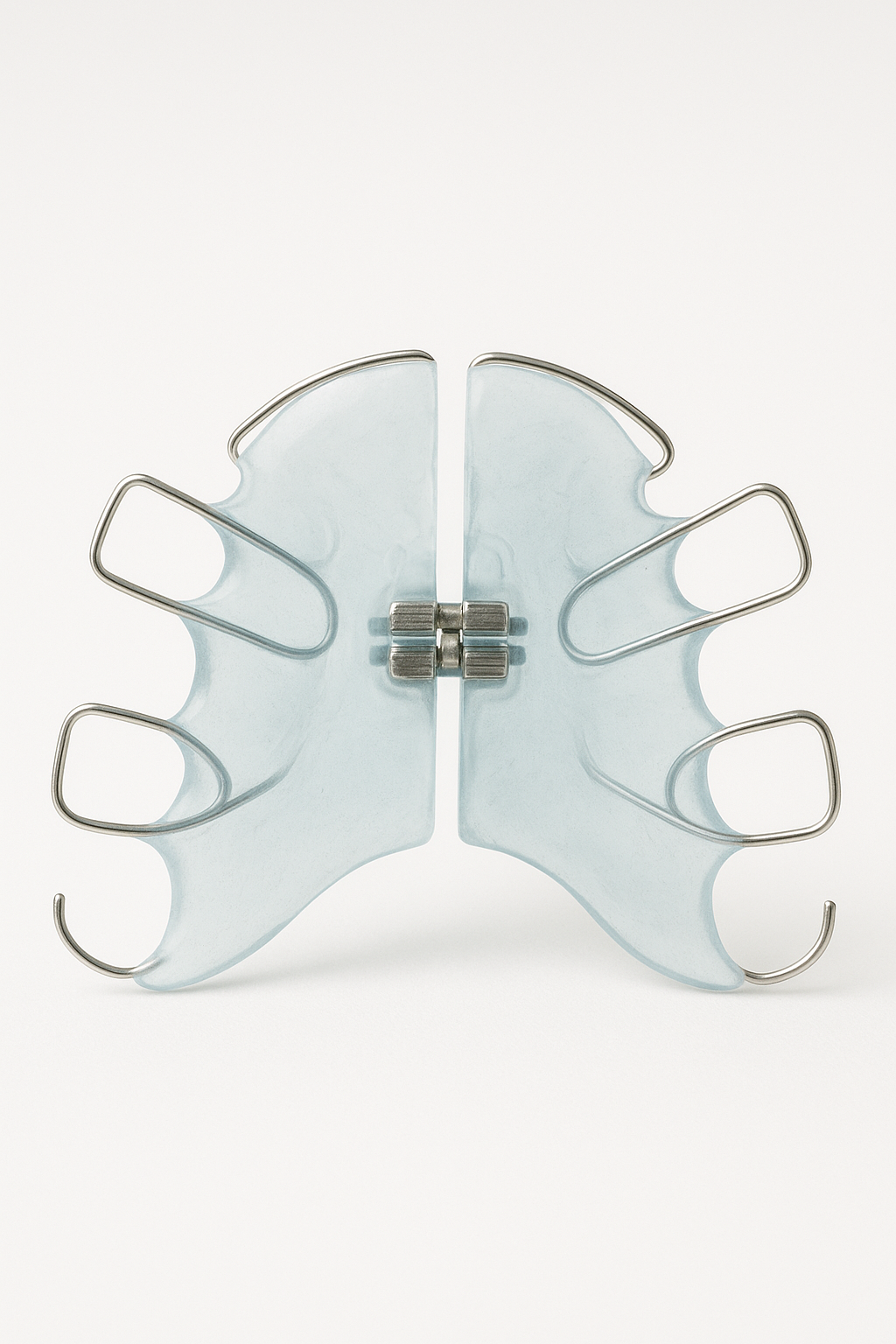
  • removable braces – mainly used in children

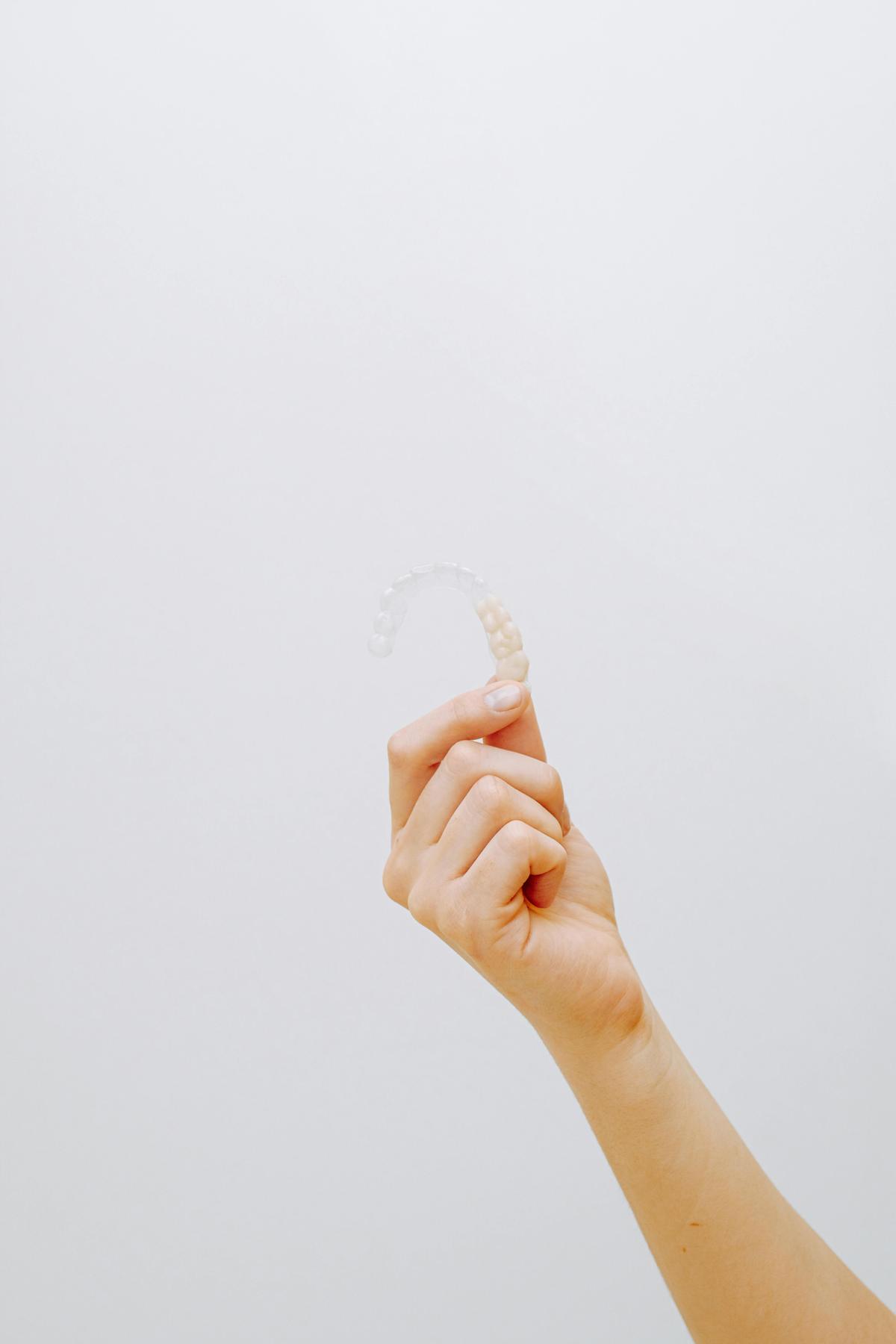
  • clear aligners (e.g., Invisalign) – transparent, removable, and comfortable

The duration of treatment depends on the type of malocclusion and the chosen method. It usually lasts between 12 and 24 months, and longer in more complex cases. The exact treatment time is determined by the orthodontist during the consultation.

Getting braces fitted is not painful, but in the first few days after placement or after adjustments, there may be slight discomfort or a feeling of pressure, which subsides quickly.

For fixed braces – usually every 4–6 weeks. For aligner treatment – check-ups may be less frequent, but their timing is determined individually by the orthodontist.

Yes – wearing braces requires greater attention to hygiene, as plaque tends to accumulate more easily. It is important to brush regularly and use orthodontic floss, interdental brushes, or a water flosser.

Yes – after completing orthodontic treatment, it is necessary to maintain the results with a retainer. It can be fixed (bonded to the teeth) or removable.

No – orthodontic treatment also improves chewing function, speech, facial profile, and reduces the risk of cavities, periodontal disease, and temporomandibular joint problems.

Registration

Not sure which treatment is right for you?

Orthodontics – a smile that inspires - Prodental | Dental Services