Preventive Dentistry

Preventive Dentistry– the key to a healthy smile

Prevention in dentistry plays a key role in protecting against cavities, periodontal disease, and other dental and oral health problems. Regular hygiene eliminates bad breath, reduces discoloration (caused by coffee, tea, or smoking), and provides a lasting feeling of freshness.

As part of professional prevention, we offer:
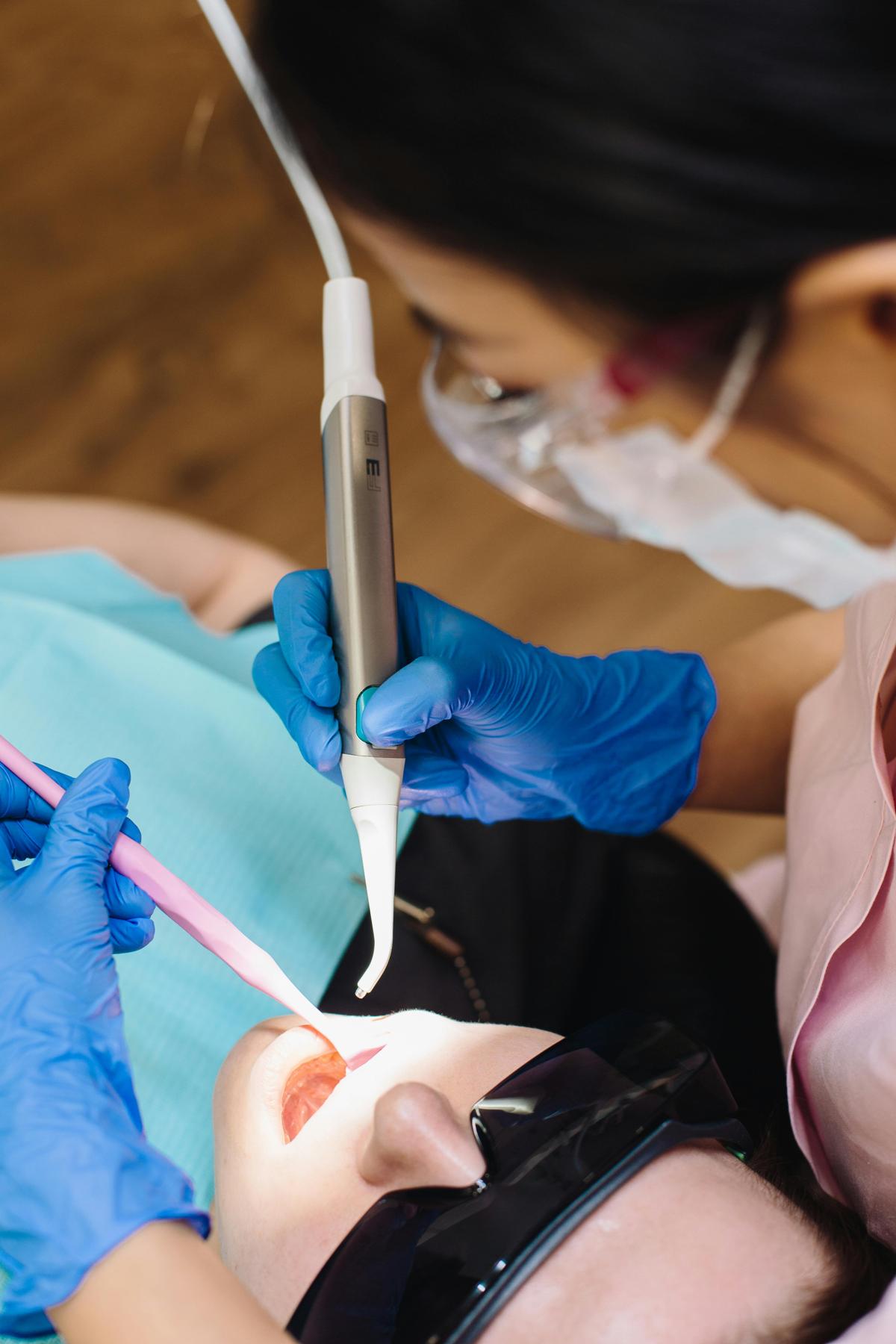
Scaling – removal of tartar

Scaling – removal of tartar

Air polishing – removal of plaque and discoloration

Air polishing – removal of plaque and discoloration

Fluoride varnish (fluoridation) – protection against cavities and sensitivity

Fluoride varnish (fluoridation) – protection against cavities and sensitivity

Dental check-up and oral hygiene instructions
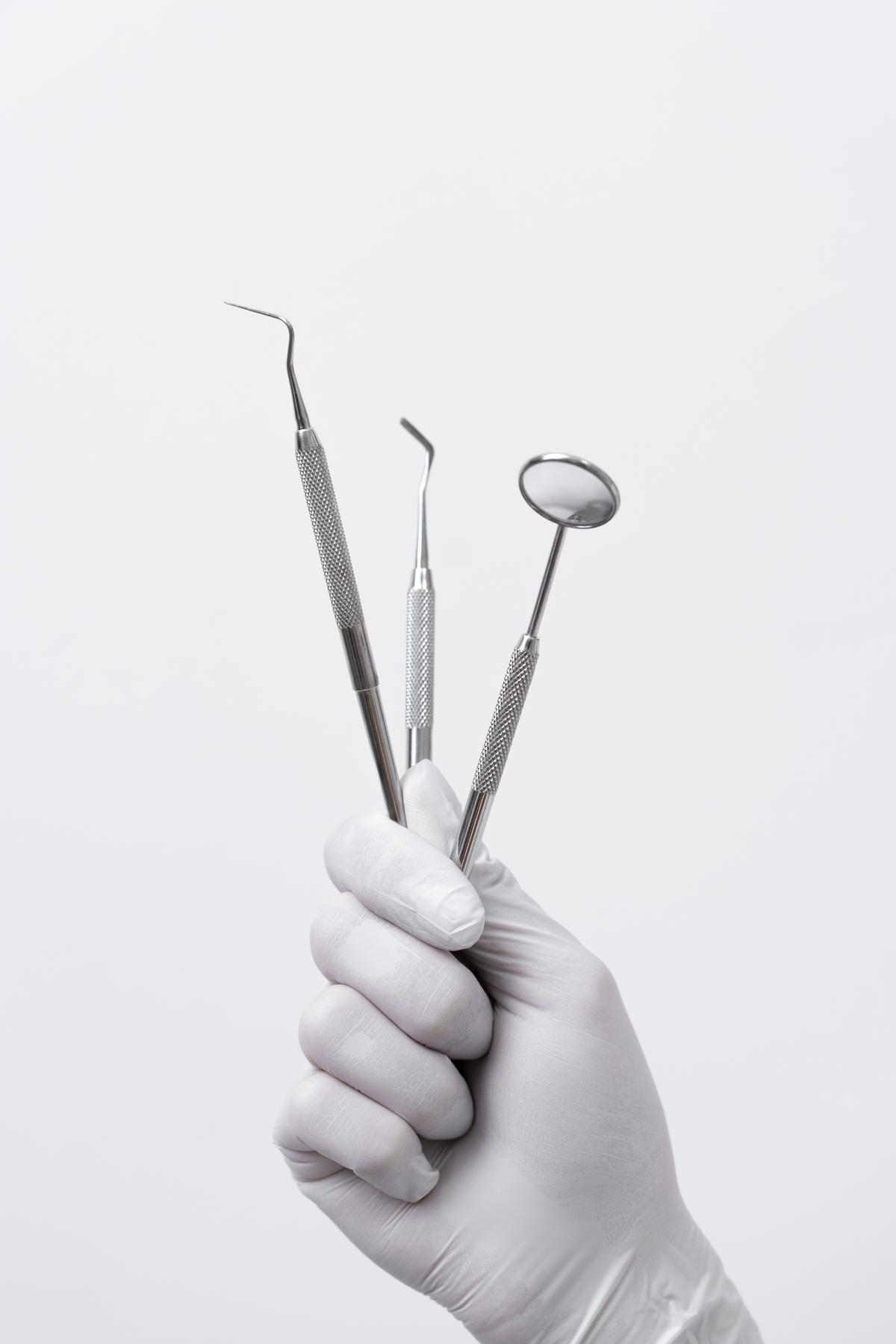
Dental check-up and oral hygiene instructions
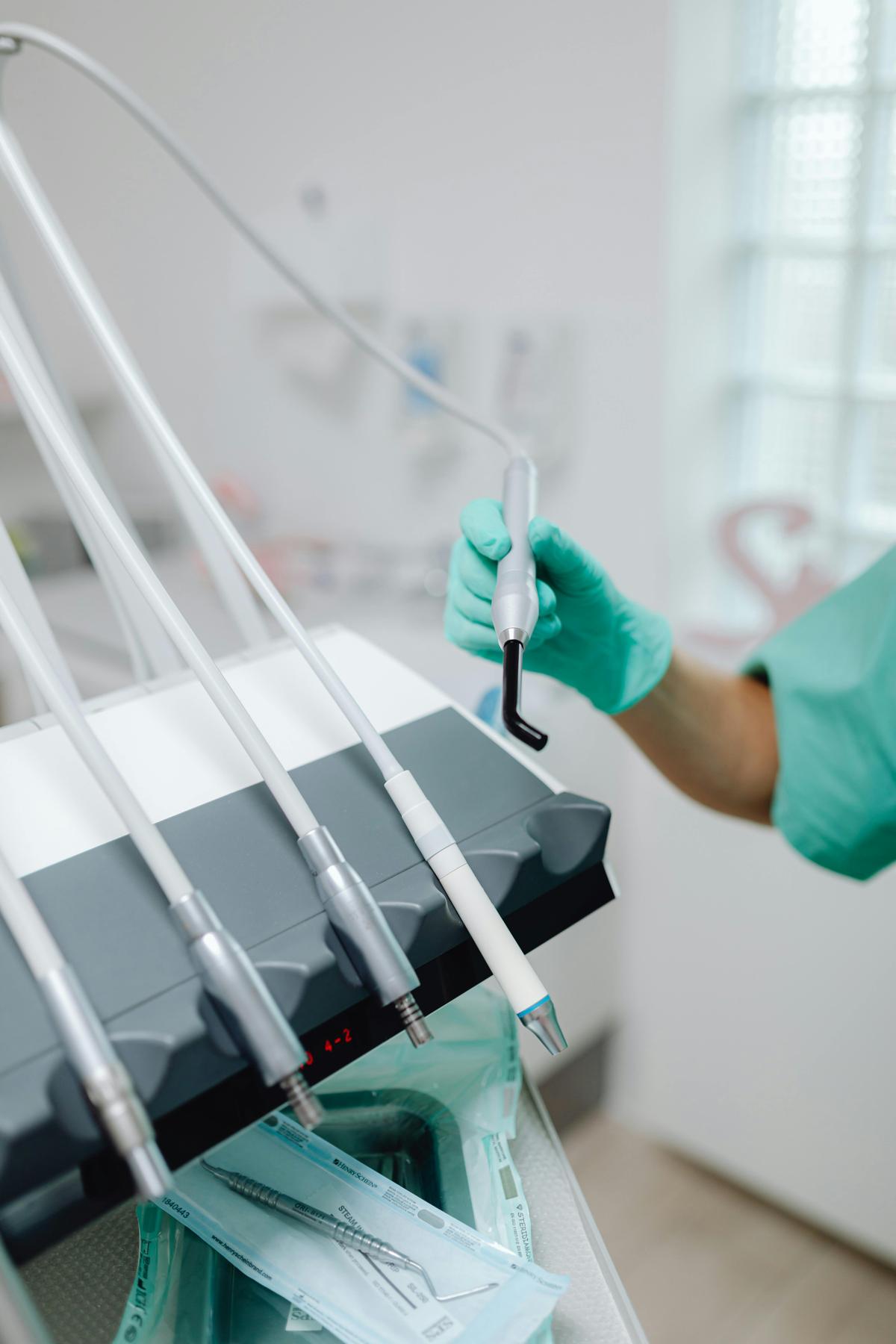
Scaling
Section image

After implantology and surgical procedures, it is very important to pay special attention to oral hygiene. Proper care helps prevent infections, accelerates healing, and increases the chances of successful treatment.

Regular preventive treatments at the dental office, combined with daily home hygiene, form the foundation of effective treatment.

Frequently Asked Questions

An oral hygiene session usually lasts between 45 and 60 minutes, depending on:

  • the amount and extent of tartar buildup

  • the patient’s sensitivity

  • the scope of procedures performed (e.g., scaling only, or full hygiene: scaling + air polishing + polishing + fluoridation)

  • individual needs and the condition of oral health

For a first visit or in cases of significant deposits, the procedure may take longer. Regular preventive treatments (every 6 months) are usually quicker and smoother.

Yes, anesthesia can be administered during a dental hygiene procedure, especially if the patient experiences discomfort or pain – for example in cases of:

  • significant tartar buildup

  • exposed tooth necks

  • tooth sensitivity

  • periodontal disease

The most common methods are:

  • topical anesthetic gels or sprays – they work on the surface and are sufficient for moderate sensitivity

  • local anesthetic injections – used when deeper anesthesia is required

It is important to inform the hygienist or dentist about your sensations – a hygiene procedure should be comfortable and painless.

It is recommended to undergo oral hygiene treatment regularly every 6 months.

In some cases, the frequency should be adjusted individually, for example:

  • every 3–4 months – for people with periodontal disease, orthodontic appliances, implants, or a tendency to accumulate tartar

  • every 6 months – for most people with proper oral hygiene and no risk factors

  • once a year – in exceptional cases, when oral health is very good and no issues are present (always after consultation with a dentist or hygienist)

Regular hygiene treatments help to:

  • remove tartar and bacterial plaque

  • prevent cavities and gum disease

  • maintain fresh breath and an aesthetic appearance of teeth

  • extend the durability of fillings, crowns, and implants

The optimal hygiene schedule should be established with your dentist or licensed dental hygienist.

Registration

Not sure which treatment is right for you?

Preventive Dentistry– the key to a healthy smile - Prodental | Dental Services